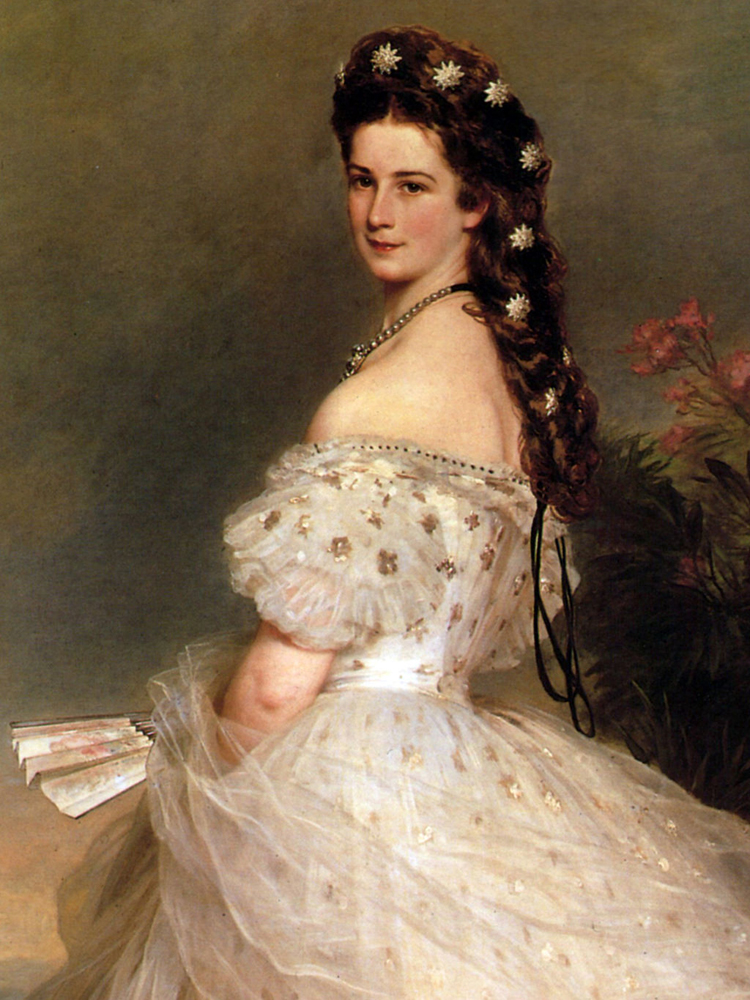
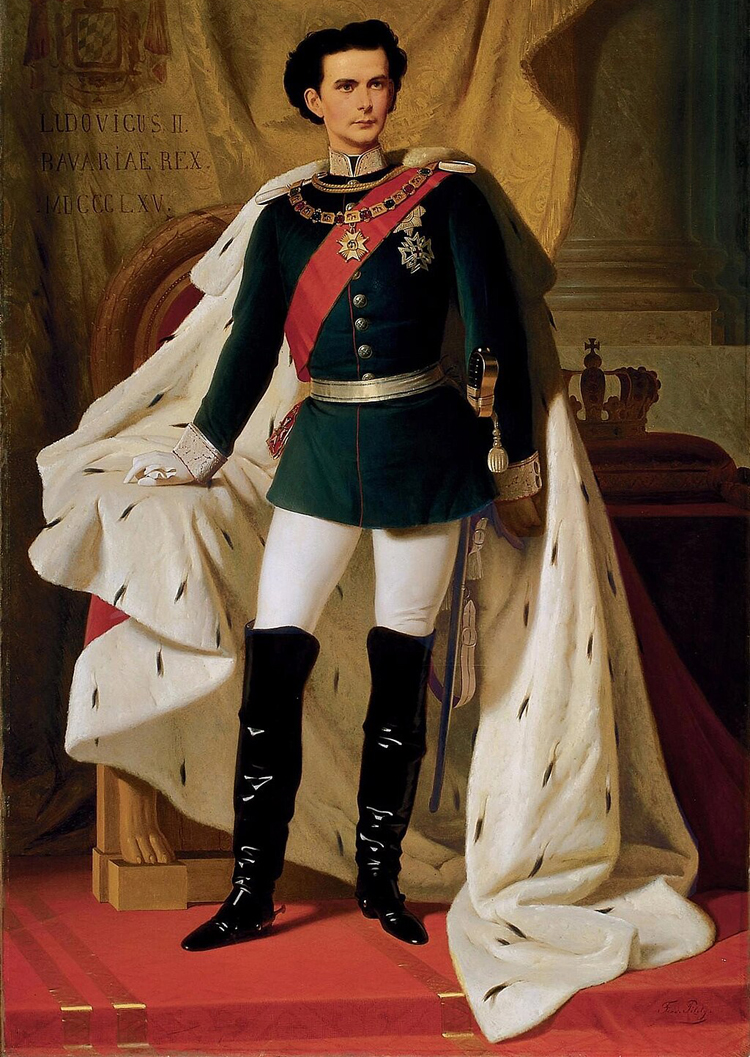
The Empress spent her childhood summers on the west shore; the King spent his last hours on the east shore and died in the lake. Two stories that still shape Lake Starnberg.
Born in 1837, Sisi spent parts of her childhood at Possenhofen Castle near Starnberg, the summer residence of Duke Max in Bavaria. The Empress Elisabeth Museum in the former Possenhofen railway station tells her story.
Sisi’s cousin, the “fairy-tale king”, spent his last hours at Berg Castle and died in Lake Starnberg on 13 June 1886. A cross in the water and a votive chapel mark the place.
The magic of Starnberg is a little bit connected to Sisi, Empress of Austria, and to her cousin King Ludwig II of Bavaria. Their places face each other across the northern part of the lake: Possenhofen and the museum on the west shore, Berg with its castle park and votive chapel on the east shore. Both castles are private and can only be seen from outside.
The lakeside castle at Possenhofen was the summer residence of Duke Max in Bavaria, and it was here that Elisabeth — the future Empress Sisi — spent much of her childhood. Today the castle is divided into private condominiums: it can only be seen from outside and from the public park in front of it, by the water.
Address Karl-Theodor-Straße 9a, 82343 Pöcking (Possenhofen)Visit private — exterior and lakeside park only
Empress Elisabeth Museum
The Empress Elisabeth Museum — photo by Stefan KarlStatue of Empress Elisabeth (Sisi) — photo by Mafalda Waldburg
A short walk from the castle, the former royal railway station of Possenhofen — including the princely waiting room of 1865 — houses the Empress Elisabeth Museum, devoted to Sisi and her family, the Dukes in Bavaria.
Address Schlossberg 2, 82343 Pöcking (Possenhofen)Phone +49 8157 925932Visit 1 May – 18 Oct 2026: Fri–Sun & holidays 12–18; group tours all year by appointmentkaiserin-elisabeth-museum-ev.de
On the east shore, Berg Castle was a summer residence of the Wittelsbachs. King Ludwig II spent his last hours here in June 1886. The castle belongs to the Wittelsbacher Ausgleichsfonds and is not open to visitors, but part of its park — with the votive chapel — is public.
Address Seestraße, 82335 BergVisit private — part of the park is public
The neo-Romanesque memorial chapel was built in 1896–1900 to plans by the architect Julius Hofmann, in the castle park above the spot where King Ludwig II was found dead on 13 June 1886.
Below the chapel, a simple wooden cross stands in the shallow water. It marks the place where Ludwig II and Dr von Gudden were found dead on 13 June 1886.
Address Schlosspark Berg, 82335 BergVisit freely visible from the lakeshore